Vietnam rewrote its drone rules across 2025 and 2026, and most of the advice still circulating online describes the regime that came before. Three things now apply that did not a year ago: every drone must be registered whatever it weighs, flight permits come from the Ministry of National Defence, and from 20 July 2026 registration runs through a national Ministry of Public Security system that fits a tracking device to the aircraft itself.
If you are planning to bring a drone as a visitor, the short version is that the equipment is the easy part. The paperwork assumes a resident operator, and that is where foreign visitors get caught.
The rules that apply now
Four instruments matter, and they stack:
- The Law on People's Air Defence (2024) is the parent law that brought unmanned aircraft under a single regime.
- Decree 288/2025/ND-CP, signed 5 November 2025 and effective the same day, is the operative rulebook: registration, flight permits, and the conditions an operator has to meet. It runs to eight chapters and 35 articles.
- Decree 282/2025/ND-CP, signed 30 October 2025 and in force from 15 December 2025, sets the administrative penalties.
- Circular 78/2026/TT-BCA, effective 20 July 2026, builds the national registration system and the device that goes with it.
Every drone has to be registered
Registration applies regardless of weight. There is no hobby exemption from it, and this is the single most common misunderstanding: the well-known 250-gram threshold exempts you from the flight permit, not from registering the aircraft.
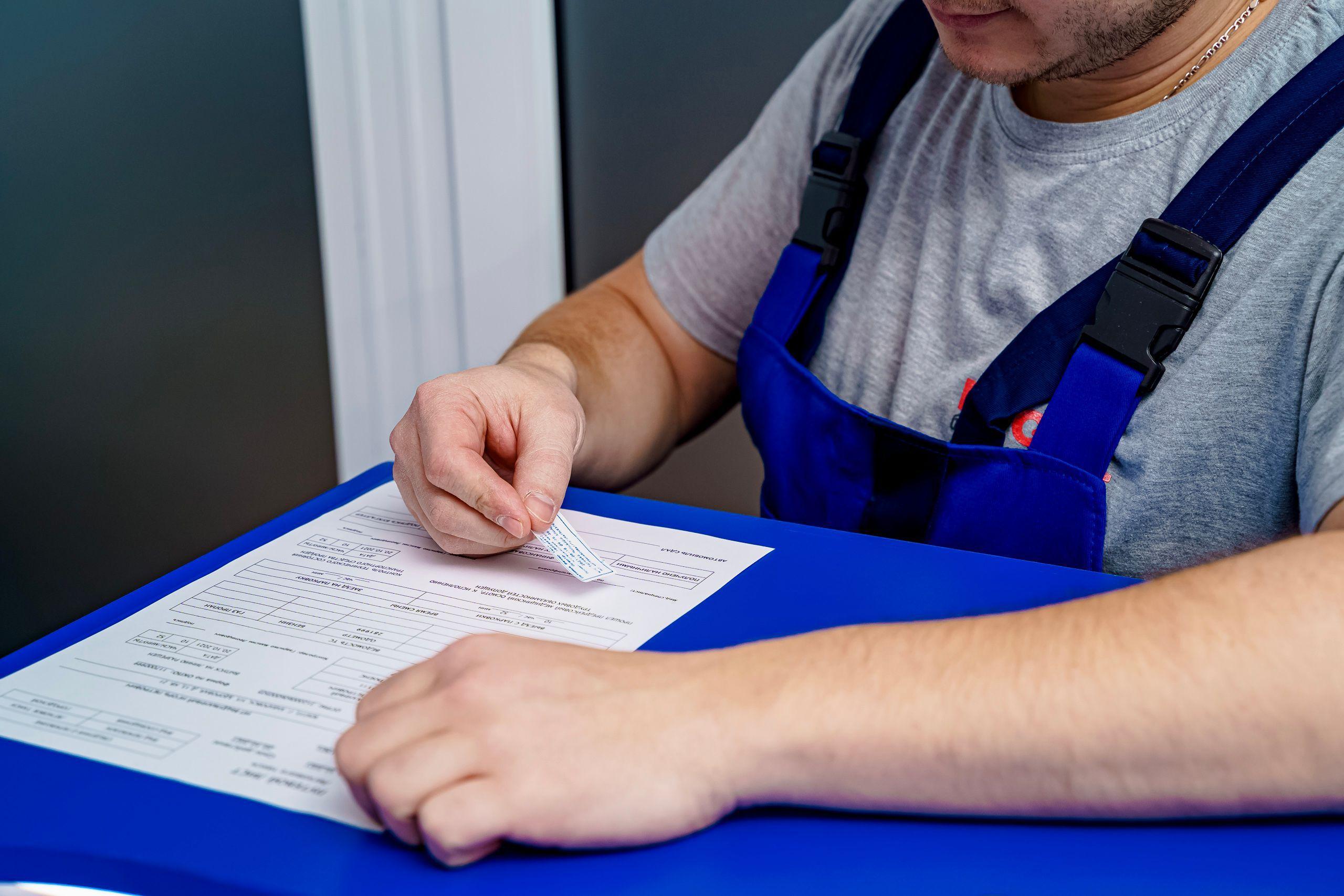
The owner files with the Ministry of Public Security's registration agency, either in person or online through the National Public Service Portal. The dossier is a declaration form, identification for the owner, proof of lawful ownership such as an import licence or purchase invoice, documents showing the aircraft meets the technical standards the Ministry of National Defence issues or recognises, and tax records where they apply.
From 20 July 2026 there is a physical step as well: the aircraft is brought to the registration agency so an electronic flight-management device can be fitted. It carries the registration number and the flight information tied to it. A drone that has not been through that process is not one you can lawfully operate.
When you need a flight permit
Flight permits are issued by the Ministry of National Defence, which is worth pausing on. This is a defence matter, not a civil aviation formality, and the answer to “who do I ask?” is not the airport or the tourism office.
Applications go in at least seven days before the flight, by hand, by post, or through the National Public Service Portal. A permit is tied to a stated location, date, time and purpose, so it is not a licence to fly wherever you happen to be.
A recreational drone with a maximum take-off weight under 0.25 kg, flown outside prohibited and restricted airspace, does not need the permit. Even then you are expected to notify the local military and police authorities and the air traffic control unit for the area if what you are doing could affect military or civil flight operations.
What a visitor from abroad actually faces
Decree 288/2025 sets conditions on the person flying, not just the aircraft. The operator has to be at least 18, except for aircraft under 0.25 kg, and has to be free of alcohol, drugs and sedatives. For anything from 0.25 kg upwards a visual observation flight control licence is required; international certificates can be recognised, but recognition is a decision of the Ministry of National Defence rather than something you can assume.
The provision that most often stops a visitor is the guarantor. A foreign operator needs a Vietnamese guarantor from an agency or organisation recognised for the purpose. In practice that means you need a local counterpart before you have a realistic route to a permit, which is why aerial work here is usually arranged through a production company, a tour operator or a firm that already holds the relationships.
Where you cannot fly
Prohibited and restricted airspace is defined nationally and is not obvious from the ground. Airports and their approaches, military installations, government and security sites, and border areas are the categories to assume are closed unless you have been told otherwise in writing.
Two habits are worth forming. First, treat a scenic location as more likely to be restricted, not less: a striking number of Vietnam's best-known viewpoints sit close to a border or a military area. Second, remember that a permit is location-specific, so clearance for one shoot tells you nothing about the next valley.
What it costs to get it wrong
Under Decree 282/2025/ND-CP, operating an unmanned aircraft without registration or without permission draws a fine of 2 to 3 million VND. Where the flight obstructs or endangers other aircraft, that rises to 30 to 40 million VND. The aircraft itself can be confiscated, and a flight permit can be suspended for three to six months.
Those are the administrative penalties. Flying over a military or security site is a different conversation, and not one to have by accident.
Bringing a drone into the country
Getting the hardware here is governed mostly by airline and airport practice rather than by the drone rules above. Lithium batteries travel in your carry-on, never in checked baggage. Cells under 100 Wh are generally accepted, 100 to 160 Wh often need the airline's agreement in advance, and anything above 160 Wh is usually refused outright.
Customs may ask what the drone is for. Have your registration paperwork, or your evidence of ownership, somewhere you can reach it, and be ready for the possibility that a drone is held pending documents rather than waved through.
Before you fly
- Register the aircraft first. Registration is the gate everything else sits behind.
- Decide whether your aircraft and your flight actually fall inside the under-250-gram permit exemption, and be honest about the airspace.
- If you need a permit, start at least seven days out and expect to name the exact place, date, time and purpose.
- If you are not Vietnamese, line up the guarantor before anything else. It is the step with no workaround.
- Check the airspace for the specific site, not the region.
This guide explains how the rules are structured and where the obligations fall. It is not legal advice, the framework changed twice inside a year, and the registration system only came into force in July 2026, so confirm the current position before you fly. If you need someone to file on your behalf or to act as the local counterpart, a Vietnamese law firm or a licensed production company is the place to start.