If you are moving to Vietnam and want to ship your own used clothes, electronics, or furniture, the short answer is: some items are allowed under personal-effects rules, but many second-hand consumer goods are banned outright. Vietnam’s customs framework treats “used goods” and “personal belongings” differently, and having a work permit or Temporary Residence Card (TRC) does not automatically override the prohibited-items list.
This guide explains exactly how Decree 69/2018/ND-CP applies to used goods, what documents foreigners actually need, how to declare items at the airport, and how to avoid having your shipment held or refused.
Quick insights:
- Used consumer goods listed in Appendix I of Decree 69/2018/ND-CP (textiles, electronics, appliances, vehicles, etc.) are prohibited from import for both commercial and personal purposes, unless a specific license or exemption applies.
- Personal effects / household goods are regulated separately and can be cleared if you are a resident with the right paperwork, but they are still inspected and may be taxed or blocked if they fall into a banned used-goods category.
- You must arrive in Vietnam first, complete the Arrival-Departure Declaration Card at customs, and use it with your shipping documents.
- Timing matters: air shipments generally must arrive within 30 days of your entry; sea shipments within 6 months of your work permit issuance.
1. The core rule: Decree 69/2018/ND-CP and used goods
Vietnam restricts second-hand imports primarily because of safety, hygiene, and quality control concerns. The governing text is Decree 69/2018/ND-CP on foreign trade management.
1.1 What is prohibited (Appendix I)
Under Appendix I (Article 5), Vietnam prohibits the import of many categories of used consumer goods, including but not limited to:
- Used textiles, garments, and footwear
- Used household electrical appliances and electronic devices
- Used medical equipment
- Used interior-decoration items (ceramics, glass, metal/plastic products)
- Used bicycles, motorcycles, and mopeds
These items cannot enter Vietnam for ordinary domestic use, whether you bought them for yourself or for resale. A narrow set of used items may enter under a temporary-import regime (with strict bonding, warehousing, and re-export rules), but that is not the pathway for people moving household belongings.
Source: Decree 69/2018/ND-CP — Appendix I lists prohibited used consumer goods.
1.2 Personal effects are regulated separately
Article 1(2) of the Decree states that personal belongings, baggage, and goods serving individual needs are regulated by the Government and Prime Minister, but they are not listed among the prohibited imports in Appendix I.
In practice, this means foreigners can clear a shipment of household goods and personal effects under Vietnam’s customs baggage/personal-effects procedures — provided the goods are not themselves on the prohibited used-consumer-goods list.
Key distinction: The Decree does not ban “your old suitcase of clothes.” It bans broad categories of used commercial/consumer products. If your shipment includes a used laptop, used washing machine, or used bicycle, those specific items may still be refused or heavily taxed regardless of ownership.
2. Your work permit and TRC: necessary, not a “free pass”
A common misunderstanding is that a work permit or Temporary Residence Card (TRC) creates an automatic, one-time exemption for all used goods. That is too broad.
2.1 What residency documents actually do
For foreigners, these documents are typically required conditions to access the personal-effects import pathway, not a blanket permission:
- Business visa / TRC: Usually must be valid for at least 3 months.
- Work permit: Typically must be valid for at least 1 year (required for most shipments; very small air shipments may have limited exceptions, but plan around this).
- Passport copy with entry stamp: Required for every shipment.
- Employer documentation: Vietnamese business license copy, application letter, and power of attorney.
Without these, customs may treat your shipment as a standard commercial import — which means prohibited used goods will be blocked.
2.2 Residency does not override prohibited items
Even with a valid work permit and TRC, customs still evaluates what is in the box. Used electronics, appliances, or vehicles that appear on the restricted/prohibited lists can still be refused, taxed at high rates, or required to be re-exported.
Bottom line: Your work permit gets you into the correct customs procedure. It does not erase Decree 69’s prohibited-goods list.
Source: FIDI Vietnam Import Customs Guide (2023) — lists required personal documents (work permit ≥1 year, TRC/visa, employer papers) and emphasizes that used vehicles/appliances face restrictions or high duties.
3. The airport declaration process
If you plan to ship belongings after you arrive, you must declare them at the airport when you enter Vietnam.
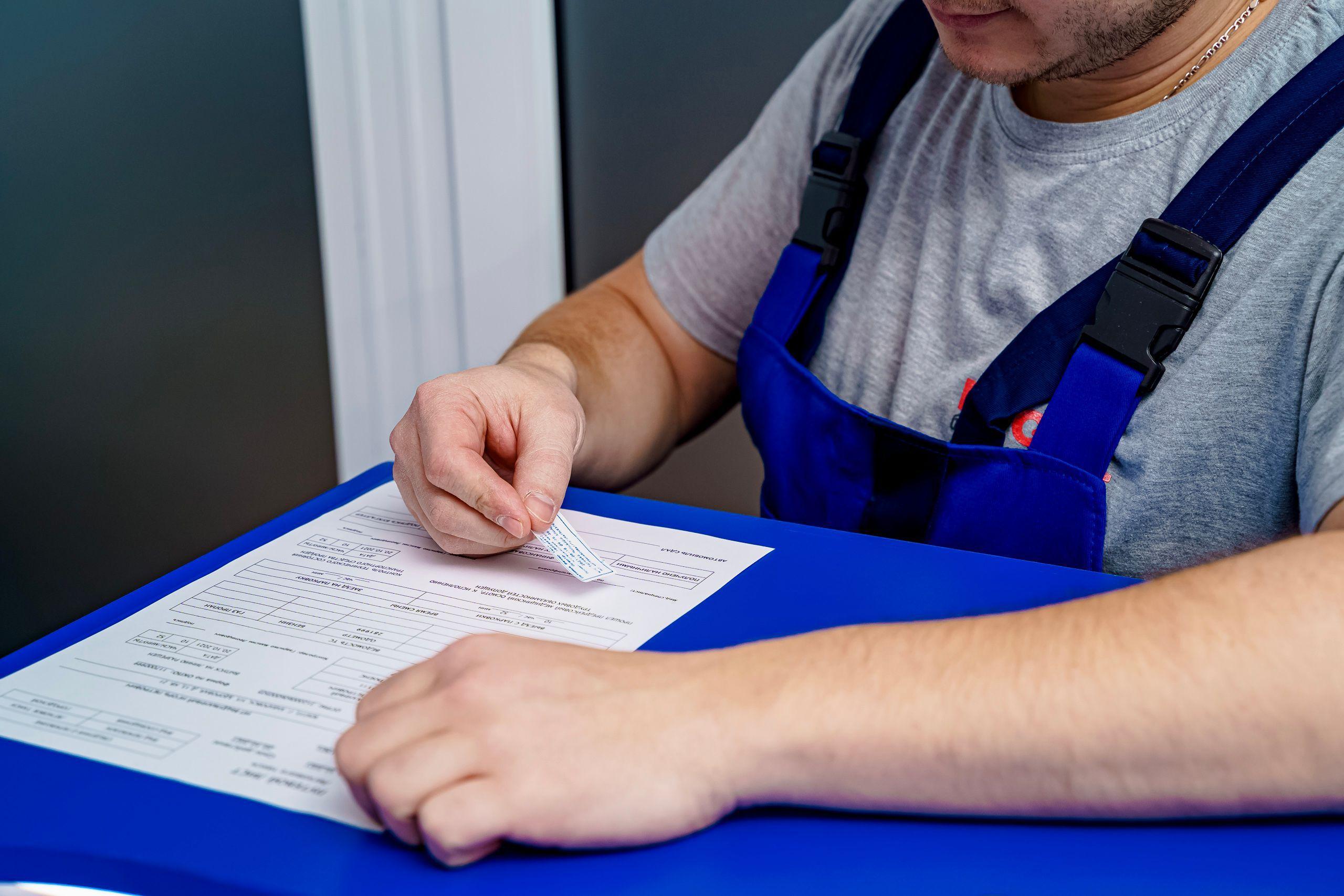
3.1 Arrival-Departure Declaration Card
You need the Vietnam Arrival-Departure Declaration Card (the customs/immigration form available at the airport).
How to complete it correctly:
- At arrival, request and fill out the card.
- Answer “Y” (Yes) to the question about unaccompanied baggage.
- Have the card signed and stamped by customs officials.
- Keep the original. You will submit it (along with copies) with your shipping documents later.
One card covers one shipment only (either one air shipment or one sea shipment).
3.2 Why this matters
Customs uses this card to link your physical entry to your later shipment. A correctly completed and stamped card is required for clearance. It can also help reduce duties/taxes by approximately VND 5 million (around USD 190–215) on eligible shipments.
Source: Seven Seas Worldwide — Vietnam Customs Advice; FIDI Vietnam Import Customs Guide.
4. Timing rules: air vs. sea shipments
If you are using the personal-effects pathway, your shipment must align with your entry and work status:
| Shipment type | Timing rule | Key document |
|---|
| Air | Must arrive within 30 days of your arrival in Vietnam | Original stamped Arrival-Departure Card |
| Sea | Must arrive within 6 months of the date your work permit was issued | Work permit + employer papers |
| Quantity | Generally one sea + one air shipment per person (exceptions are case-by-case) | Inventory in English, AWB/OBL |
Clearance timelines are typically 1–3 working days (air) and 5–10 working days (sea) in Ho Chi Minh City and Hanoi, assuming all paperwork is complete.
Important: All shipments must be cleared within 30 days of arrival in Vietnam.
5. Duties, taxes, and inspection: what gets through
Even under the personal-effects procedure, customs will inspect your goods and apply duties based on the item type.
5.1 Typically duty-free (in reasonable quantities)
- Personal clothing
- Personal books and documents
- Small personal items in quantities consistent with individual use
5.2 Taxed or restricted used items
- Consumer electronics: ~40–60% duty
- Furniture: ~10% duty
- Bicycles: ~100% duty
- Used cars: Only allowed for full-time diplomats (duty-free quota); generally prohibited for other residents.
- Used motorbikes: Prohibited for non-diplomats.
- Antiques: Prohibited.
- Used appliances / electronics: May be taxed at high rates or blocked if they fall under the used-goods prohibition.
Practical takeaway: Do not assume “it’s mine, so it’s free.” Customs decides based on category + quantity + documentation.
6. Step-by-step checklist before you ship
Use this checklist to minimize the risk of refusal or delays:
Before you leave your home country
- Confirm every used item is not on Decree 69’s prohibited used-consumer-goods list (especially electronics, appliances, textiles, vehicles).
- Prepare a detailed inventory / packing list in English.
- Ensure you have certified copies of all documents (passport, visa/TRC, work permit, employer license).
Upon arrival in Vietnam
- Fill out and have stamped the Arrival-Departure Declaration Card.
- Mark “Y” for unaccompanied baggage.
- Keep the original card safe.
Before shipping
- Confirm your work permit is valid ≥1 year and your visa/TRC ≥3 months.
- Ensure your air shipment arrives within 30 days of entry, or sea within 6 months of work permit issuance.
- Provide your moving agent with: AWB/OBL, inventory, passport copy with entry stamp, work permit, TRC/visa, employer business license, original Arrival-Departure Card, and signed power of attorney.
After arrival of goods
- Submit documents to your agent/customs broker at least 1 week before sea cargo arrives (or as soon as possible for air).
- Clear goods within 30 days of cargo arrival to avoid storage penalties or forced re-export.
7. Common mistakes that get parcels held or returned
- Shipping used electronics/appliances without checking the prohibited list. These categories are heavily restricted.
- Assuming “personal use” overrides Decree 69. Customs applies the item category first, ownership second.
- Using the wrong airport form or missing the stamp. The Arrival-Departure Declaration Card must be stamped by customs upon entry.
- Missing the timing window. Air cargo arriving 45 days after entry can fall outside the personal-effects window.
- Forgetting employer paperwork. Your Vietnamese employer’s business license and authorization letter are typically required.
- Referencing a “green card.” This is not the standard term; use “Arrival-Departure Declaration Card” in all communications with agents.
8. Final takeaway
Vietnam allows foreigners to import personal effects through a structured customs procedure, but it does not offer a general exemption for used goods. The rules are specific:
- Prohibited categories under Decree 69/2018/ND-CP apply broadly.
- Personal-effects clearance requires a valid work permit, TRC/business visa, stamped Arrival-Departure Declaration Card, and employer documentation.
- Declaration at arrival is mandatory for unaccompanied baggage.
- Timing, quantity, and item category determine whether your shipment clears smoothly, gets taxed, or gets refused.
Preparation beats assumption. Before you pack a used washing machine, laptop, or bicycle, verify the specific item against Vietnam’s restricted and prohibited lists, confirm your paperwork timeline, and work with a licensed Vietnamese customs agent or international mover familiar with personal-effects clearance.
Disclaimer
This guide is practical guidance based on publicly available customs regulations and relocation guides. It is not legal advice. Vietnamese customs rules can change, and individual shipments may be evaluated differently based on port, item condition, and documentation. For high-value or complex shipments, consult a licensed Vietnamese customs broker or legal professional.
Sources referenced
- Decree 69/2018/ND-CP: official decree text on foreign trade management, including import restrictions.
- FIDI Vietnam Import Customs Guide (2023): Personal documents, timing rules, duty estimates, shipment limits, and clearance timelines.
- Seven Seas Worldwide — Vietnam Customs Advice: Arrival-Departure Declaration Card process, unaccompanied baggage, required documents, and duty reduction.
- Thuvienphapluat / English summaries of Decree 69: Overview of used-goods restrictions and separate personal-belongings treatment.




 Xem hồ sơ đầy đủ của Crown Worldwide Group
 Xem hồ sơ đầy đủ của Nam Thi
