Why people invest in property abroad
There's no single right country to invest in. It depends on what you need.
Some people invest because they believe in a country's economy. They want to get in early on a market that's growing fast and let property values and rents rise with it.
Others are after a legal status. They want permanent residence or citizenship, a second home, or a Plan B for the family if things change at home.
And for many, it's a mix of practical goals: paying less tax on foreign income, travelling more freely, protecting assets by keeping them in more than one country, setting up a business base, or getting better healthcare and schools for their children.
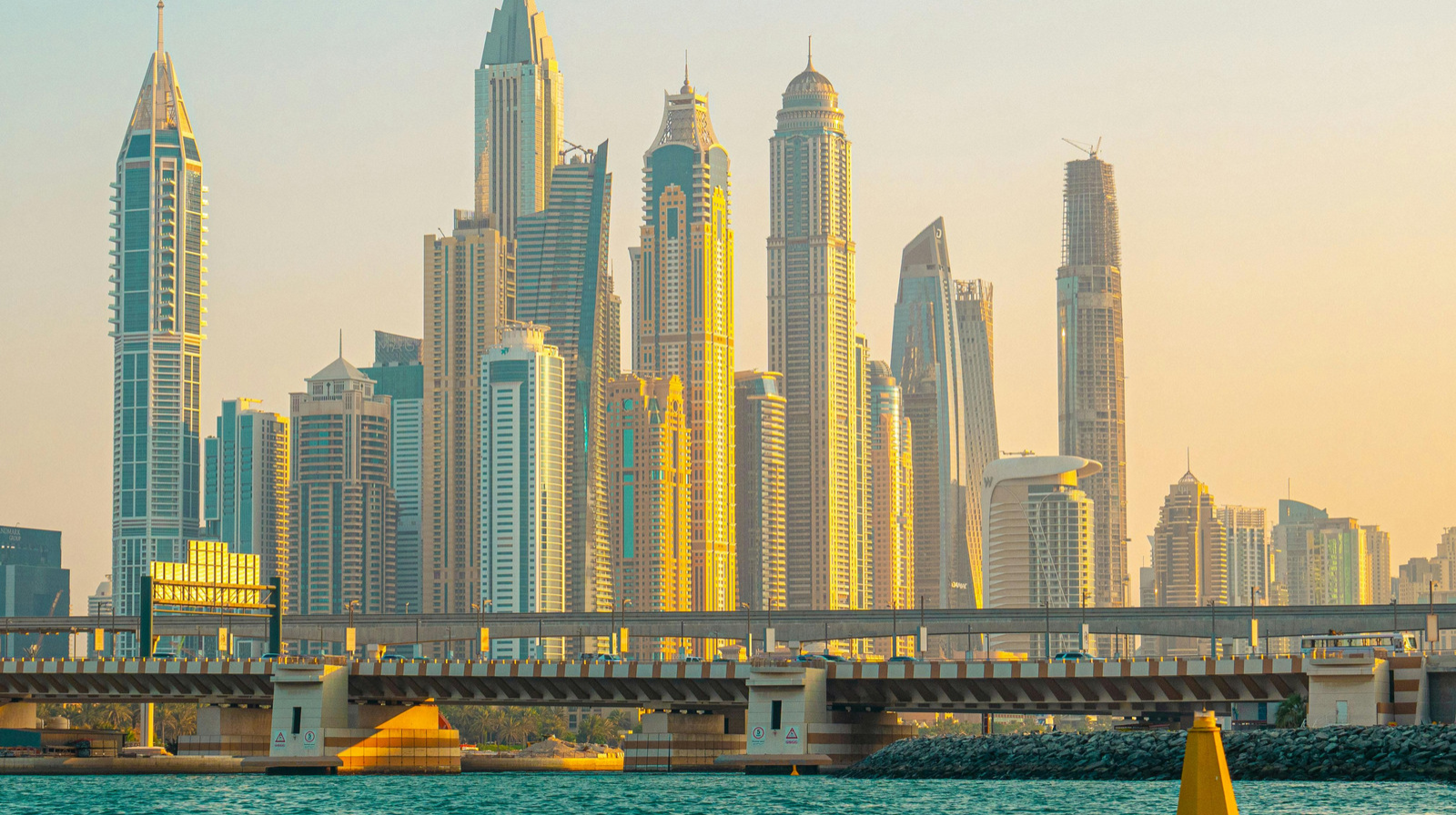
That's why comparing countries on price alone doesn't tell you much. In Dubai, Turkey, Cyprus, Malta and the US, property is often how you get a visa, residence or a passport. In Vietnam, property is just property. It won't get you a visa, but it does give you a stake in one of Asia's fastest-growing economies. Here's how the six compare.
Vietnam vs Dubai, Turkey, Cyprus, Malta and the USA at a glance
The figures below are the official 2026 minimums. Real budgets run higher once taxes and fees are added.
| Market | What it unlocks | Minimum entry (2026) | Key taxes | Best fit |
|---|
| Vietnam | Ownership only | No legal minimum | 2% on sale price; rent tax-free up to VND 1 billion a year | Expats and founders living here |
| Dubai (UAE) | 10-year Golden Visa | AED 2 million (about USD 545,000) | No personal income, capital gains or property tax | Rental income, zero personal tax |
| Turkey | Citizenship for the family | USD 400,000, held 3 years | 4% title deed fee; 20-year foreign income exemption (if relocating) | A second passport |
| Cyprus | Permanent EU residence | EUR 300,000 + VAT, plus EUR 50,000+ yearly income | Non-dom: no tax on dividends or interest | Families wanting English-speaking schools |
| Malta | Permanent EU and Schengen residence | EUR 99,500 in fees + a qualifying home | Standard tax rules (separate tax regime offers 15% on remitted foreign income) | Schengen access without moving |
| USA | Green card (EB-5) | USD 800,000 or USD 1,050,000 | Worldwide income taxed | US education and long-term life |
1. Vietnam: you buy into growth, not a passport
- Known for: no investment-for-residency programme. You buy property to own it. Residency comes from working here or investing in a company, through an investor visa or temporary residence card.
- Budget: no legal minimum. Sellers pay 2% of the sale price, buyers pay a 0.5% registration fee, and rent is tax-free up to VND 1 billion a year from 2026.
- Advantages:
- One of Asia's fastest-growing economies, with GDP up an estimated 9.01% in the first nine months of 2026 and foreign investment pledges up 76.4%.
- Lower entry prices than regional hubs, and steady rental demand from expats.
- A long coastline, mountains, great food and friendly people. See our guides to Ho Chi Minh City, Hanoi and Da Nang.
- Disadvantages:
- You own the home, not the land, for 50 years, renewable once.
- You can only buy in approved projects, and foreigners can hold up to 30% of units in a building. A September 2026 draft law would also stop foreigners buying landed houses.
- There are fewer eligible buyers when you sell, and few mortgage options for foreigners.
- Best suited for: expats and business owners who already live in Vietnam and plan to stay.
2. Dubai: rental income, no personal tax, and a 10-year visa
- Known for: the UAE Golden Visa, a 10-year renewable residence visa linked to property rather than a job.
- Budget: AED 2 million (about USD 545,000) in property for the Golden Visa. Since February 2026, buyers with a mortgage no longer need to have paid off half the price first. Smaller completed units can get you a 2-year visa. Add 6% to 7% for buying costs, mostly the 4% Land Department fee.
- Advantages:
- No personal income tax, no capital gains tax and no annual property tax.
- Full freehold ownership, a liquid market and mortgages for non-residents.
- A safe, international flight hub within a few hours of Europe, Asia and Africa.
- Disadvantages:
- Residence only, and only for as long as you keep the property.
- The market moves in cycles, there's a lot of new supply, and off-plan projects can run late.
- High living costs and very hot summers.
- Best suited for: investors who want rental income, and entrepreneurs looking for a low-tax base.
3. Turkey: a property that comes with a passport
- Known for: citizenship by investment. You, your spouse and your children under 18 become Turkish citizens. Dual citizenship is allowed, and you don't have to live there or learn the language.
- Budget: USD 400,000 in property, held for three years. You can also use USD 500,000 in a Turkish bank deposit, government bonds, funds or a private pension, each held for three years. Add a 4% title deed fee (legally split 2% each between buyer and seller, though buyers often cover the full 4% in practice).
- Advantages:
- A full passport, usually 3 to 6 months after you apply.
- After three years you can sell the property and keep the passport.
- Since June 2026, qualifying new tax residents pay no Turkish tax on foreign-sourced income for 20 years, and inheritances are taxed at a flat 1%. To claim it, you must move to Turkey as a tax resident, have had no Turkish tax liability or residence in the prior three calendar years, and apply for an exemption certificate before the end of your first year.
- Istanbul, a long Mediterranean coastline and some of the best food in the world.
- Disadvantages:
- The lira is volatile.
- Many "citizenship-ready" properties are priced well above market value.
- Buying a passport doesn't automatically trigger the 20-year tax break. You have to physically relocate, and remote work performed while inside Turkey is generally still taxed locally.
- The passport opens roughly 110 to 120 countries, but not Schengen.
- Best suited for: families who want a second passport and a Plan B.
4. Cyprus: an EU base with English-speaking schools
- Known for: a fast-track permanent residence permit. It's for life, covers your spouse and children, and never needs renewing.
- Budget: a new home bought directly from a developer worth at least EUR 300,000 plus VAT, about EUR 357,000 at the standard 19% rate (resale properties do not qualify). You also need at least EUR 50,000 a year in secured income from abroad, plus EUR 15,000 for a spouse and EUR 10,000 for each dependent child.
- Advantages:
- Permanent residence in an EU country. You only have to visit once every two years.
- English is widely spoken, the legal system is based on English law, and there are plenty of British-curriculum schools.
- Non-domiciled residents pay no tax on dividends or interest for 17 years, and there's no inheritance or wealth tax.
- Well over 300 days of sun a year.
- Disadvantages:
- It's residence, not citizenship, and it isn't a work permit.
- Cyprus isn't in Schengen yet. The government expects to join in 2027, but that isn't confirmed.
- Corporate tax rose to 15% in January 2026.
- Best suited for: families who care most about schooling and want a long-term EU base.
5. Malta: Schengen residence today, at a price
- Known for: the Malta Permanent Residence Programme (MPRP), which gives permanent residence in an EU and Schengen country to up to four generations of one family.
- Budget: EUR 99,500 in non-refundable government fees for a single applicant (covering the application, contribution, NGO donation and residence card), plus EUR 500 per spouse or minor child and EUR 8,000 per adult dependant such as parents or grandparents. On top of that, you buy a home for at least EUR 375,000 or rent one for at least EUR 14,000 a year for five years, and show EUR 500,000 in capital assets.
- Advantages:
- Schengen travel from day one, and no minimum stay.
- English is an official language, and crime is low.
- A separate tax residency programme (the Global Residence Programme) taxes remitted foreign income at a flat 15%, though you must apply for it separately and cannot rent out your qualifying home.
- A common choice for registering yachts and aircraft.
- Disadvantages:
- The EUR 99,500+ in government payments is gone for good, and property is expensive.
- Under Malta's new Individual Tax Programme taking effect on 1 January 2027, the minimum annual tax for that separate 15% flat-tax regime rises from EUR 15,000 to EUR 35,000, and the qualifying property purchase threshold jumps to EUR 700,000, so apply before the end of 2026 if it matters to you.
- Malta's citizenship-for-investment scheme ended in 2025, so this route gives residence, not a passport.
- Best suited for: non-EU families who want a European base without moving, and frequent Schengen travellers.
6. USA: the EB-5 green card
- Known for: the EB-5 Immigrant Investor Program. Buying a house gives you no visa. Instead, your money goes into a business that must create 10 full-time jobs, usually a hotel or apartment project funded through an approved regional centre. You end up as a lender to a developer, not a homeowner.
- Budget: USD 800,000 in a rural or high-unemployment area, or USD 1,050,000 anywhere else. Both figures are due for an inflation adjustment on 1 January 2027.
- Advantages:
- A green card for you, your spouse and children under 21, with citizenship possible after five years.
- Access to US universities, healthcare and the world's largest economy.
- Disadvantages:
- You'll sometimes hear EB-5 sold as low risk, but the law requires the money to be at risk, and there's no government guarantee.
- Returns are small, and getting your capital back often takes five to seven years.
- Strict source-of-funds checks, and the US taxes your income worldwide once you hold a green card.
- Best suited for: families focused on US education and a long-term future in America.
Bottom line
In Vietnam, you're buying a home and a share in the country's growth. In the other five, you're often buying a legal status, and the property is just how you get it. Neither one is better. A founder running a business in Saigon may get more out of a well-located apartment here than out of a passport they'll hardly use. A family planning their kids' future may be right to put a European residence card or a green card first.
Whichever way you lean, check four things before you sign: the full cost including fees, how you'll eventually sell, whether a residence permit actually changes where you pay tax (usually it doesn't), and how recent your information is. Vietnam, Malta and the US are all changing their rules between now and 2027.
Reviewed November 2026. This is general information, not legal, tax or investment advice.
Need help with property, company setup, residency or tax in Vietnam? Tell us what you need on Easytiger, and we'll introduce you to lawyers and accountants we trust.